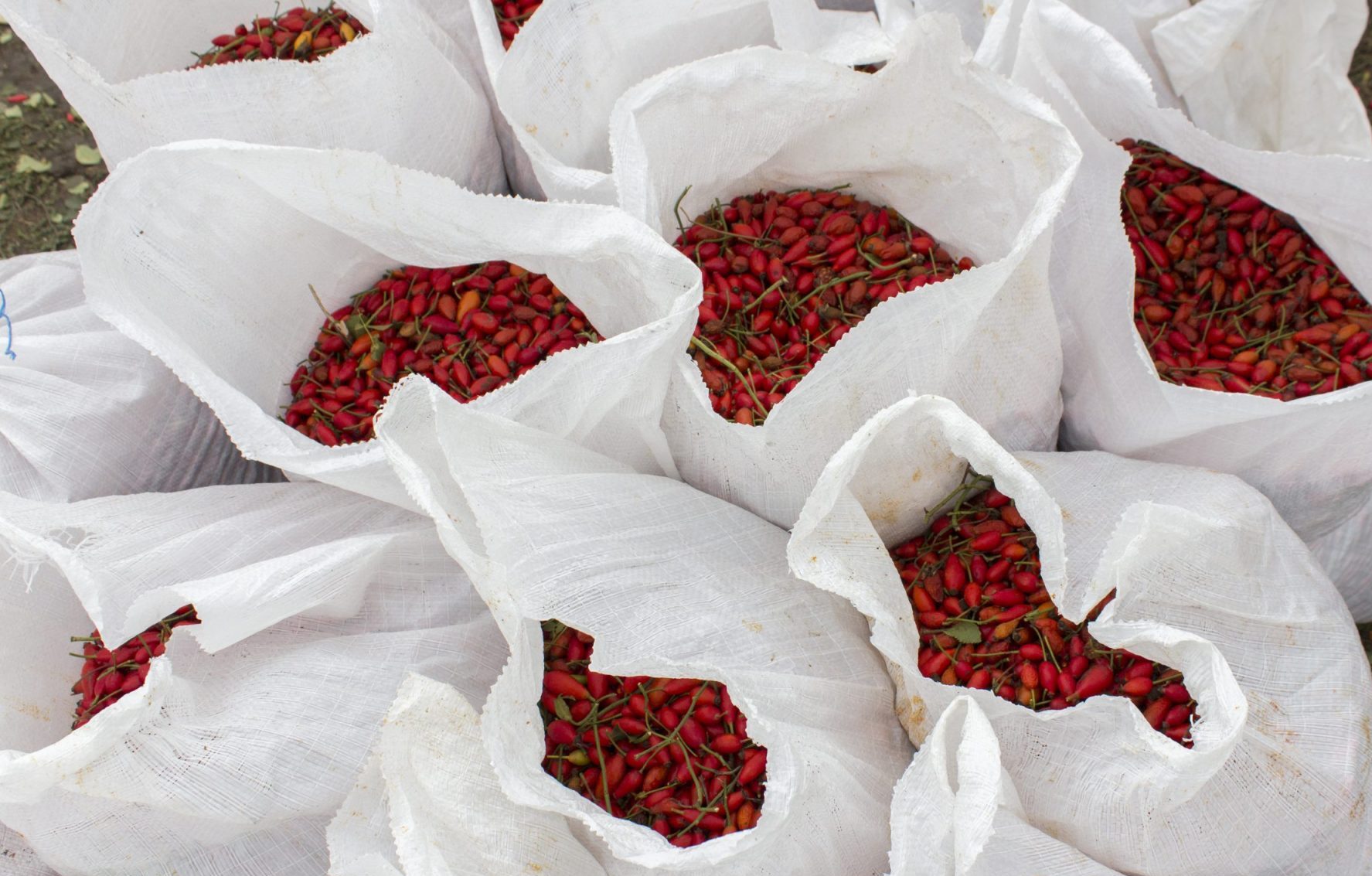
Historical roots of a remarkable medicinal plant
Rosehip, a plant used for centuries in traditional medicine, is experiencing a renewed renaissance today. Ancient civilizations valued its healing properties: Romans and Greeks applied rosehip for wound care and disinfection, while medieval Europe relied on it as a protective remedy against epidemics such as the plague. Modern research now confirms that its exceptionally high vitamin C and antioxidant content may indeed support the immune system and help protect cellular functions.
Not only was rosehip used medicinally in earlier eras, but it also served as a food source—dried or cooked berries frequently appeared in the diet of ancient peoples. During the Middle Ages, rosehip became particularly popular across Europe, where monasteries cultivated it in their gardens and used it in remedies against infectious diseases. Its importance continued into the 20th century as well: during World War II, the United Kingdom used rosehip as an alternative vitamin C source when citrus imports became restricted.
A growing market with expanding opportunities
Today, the demand for rosehip has surged once again. The global rosehip market was estimated at approximately 300 million USD in 2023, and projected annual growth rates (CAGR) for the next five years fall between 5% and 7%. This rise is driven by a growing interest in natural, sustainable and health-focused products—particularly among consumers who seek botanical ingredients with demonstrable benefits.Rosehip has become especially popular in several industries.
In the food industry, dried rosehip is used in teas, beverages, jams and various functional preparations. Its high antioxidant and vitamin C content attracts consumers searching for natural immune support.
In the cosmetic industry, rosehip extracts are increasingly incorporated into anti-aging and skin-regenerating formulations. Market analyses show a continuous rise in the demand for natural cosmetics, further boosting interest in rosehip-based skincare products.
In the pharmaceutical and dietary supplement sectors, numerous clinical studies support the immune-boosting and anti-inflammatory properties of rosehip, making it a widely used ingredient in capsules and other supplements.
Partnership potential and future perspectives
The versatility of rosehip and its steadily growing popularity present excellent opportunities for partners committed to innovative product development and sustainability. Collaborative efforts can lead to unique, value-added products built upon natural raw materials and environmentally responsible solutions.
In summary, the historical significance and modern relevance of rosehip provide a strong foundation for partnerships that combine traditional knowledge with contemporary market needs. As global demand for natural health-supporting products continues to rise, rosehip represents a promising, long-term opportunity that contributes to sustainable agricultural and industrial practices.