A traditional crop with modern potential
From wild harvesting to precision plantations: Hungarian rosehip cultivation has entered a new era. At the professional day held in Leányvár, experts agreed that through supporting policies and technological advancement, rosehip has become one of the most dynamically developing branches of the Hungarian medicinal herb sector.
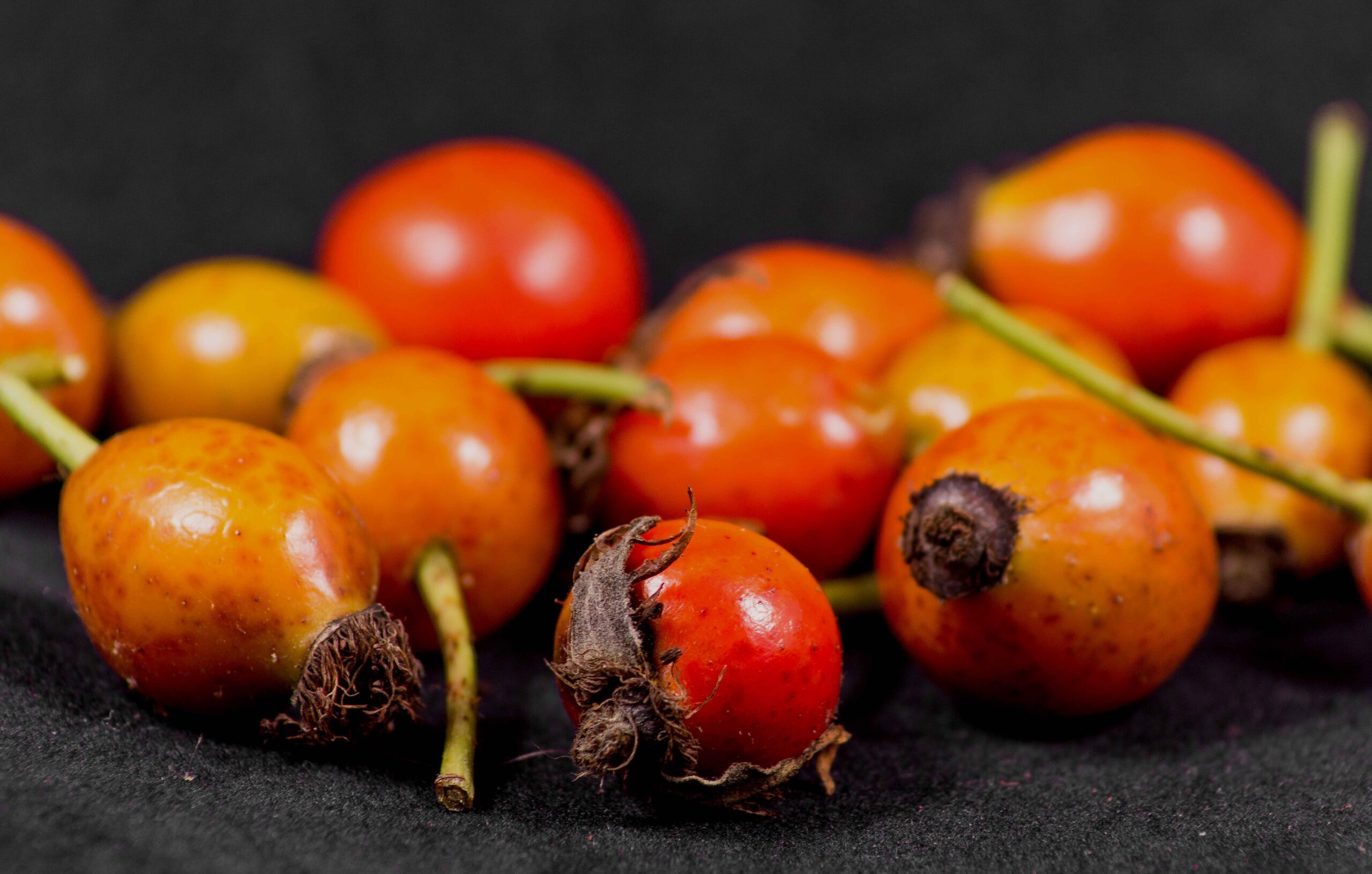
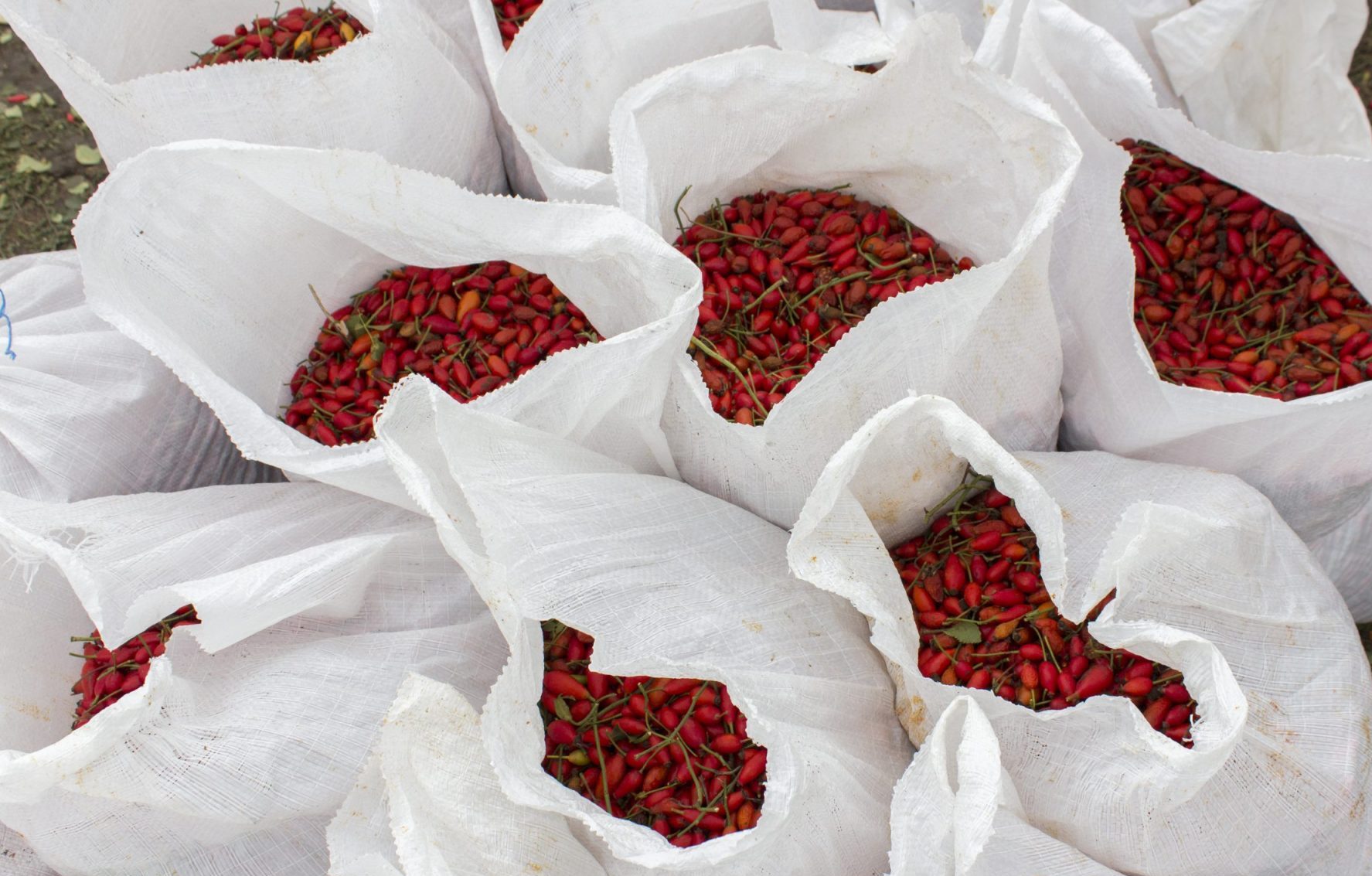
On November 12, 2025, the Rosehip Professional Day was organized by the Medicinal Herb Association and Product Council, together with the National Chamber of Agriculture. The event highlighted a historical shift: we are witnessing how our most widely collected wild-growing medicinal plant is being brought into systematic cultivation. Market demand is steady, as the cosmetic, food, and pharmaceutical industries constantly require high-quality raw materials. Due to support systems, the cultivation area has jumped from a few hundred hectares to 5,600 hectares over the last decade, most of which is under organic management.
During the professional day, participants not only learned about the theoretical background and the history of breeding but also gained insight into practical implementation through the example of Herbafarm Ltd. The event focused on creating a uniform commodity base with consistent quality, which is essential for international competitiveness.
Technological Innovation and the New 'Fertődi parázs' Variety
The history of rose cultivation in Hungary dates back to the 18th century, but modern requirements have set new breeding goals. One of the most important announcements of the professional day was the presentation of the ‘Fertődi parázs’ variety, selected at the MATE Fertőd Research Station and registered in 2025. This new fruit-bearing rosehip represents a breakthrough in several aspects:
Harvestability: Its shoots are virtually thornless, significantly facilitating management.
Resistance: The primary goal of breeding was tolerance against powdery mildew.
Content: It is characterized by outstanding beta-carotene content and a high fruit-flesh ratio, with an average yield of 4–7 kg per shrub.
Technological optimization is a key issue, as Hungarian raw materials must compete with global market players where rosehip flesh is often merely a byproduct of oil pressing. Cost-efficiency can be increased through mechanization: in Leányvár, participants saw how grape harvesters can be adapted for rosehip harvesting, minimizing labor requirements.
Ecological Value Creation and Future Perspectives
The 150-hectare organic plantation of Herbafarm Ltd. proved that economic profit and environmental sustainability go hand in hand. A detailed presentation on this complex ecological crop production practice was delivered by Dr. Ádám Koczor, who highlighted how contour planting and species-rich inter-row cultures can transform a plantation into a “park-like” habitat. This approach allows the area to function as a bee pasture and a sanctuary for pollinators, exerting a positive environmental impact on the entire region. Experiences show that the plant tolerates drought exceptionally well, producing stable yields even in un-irrigated areas.